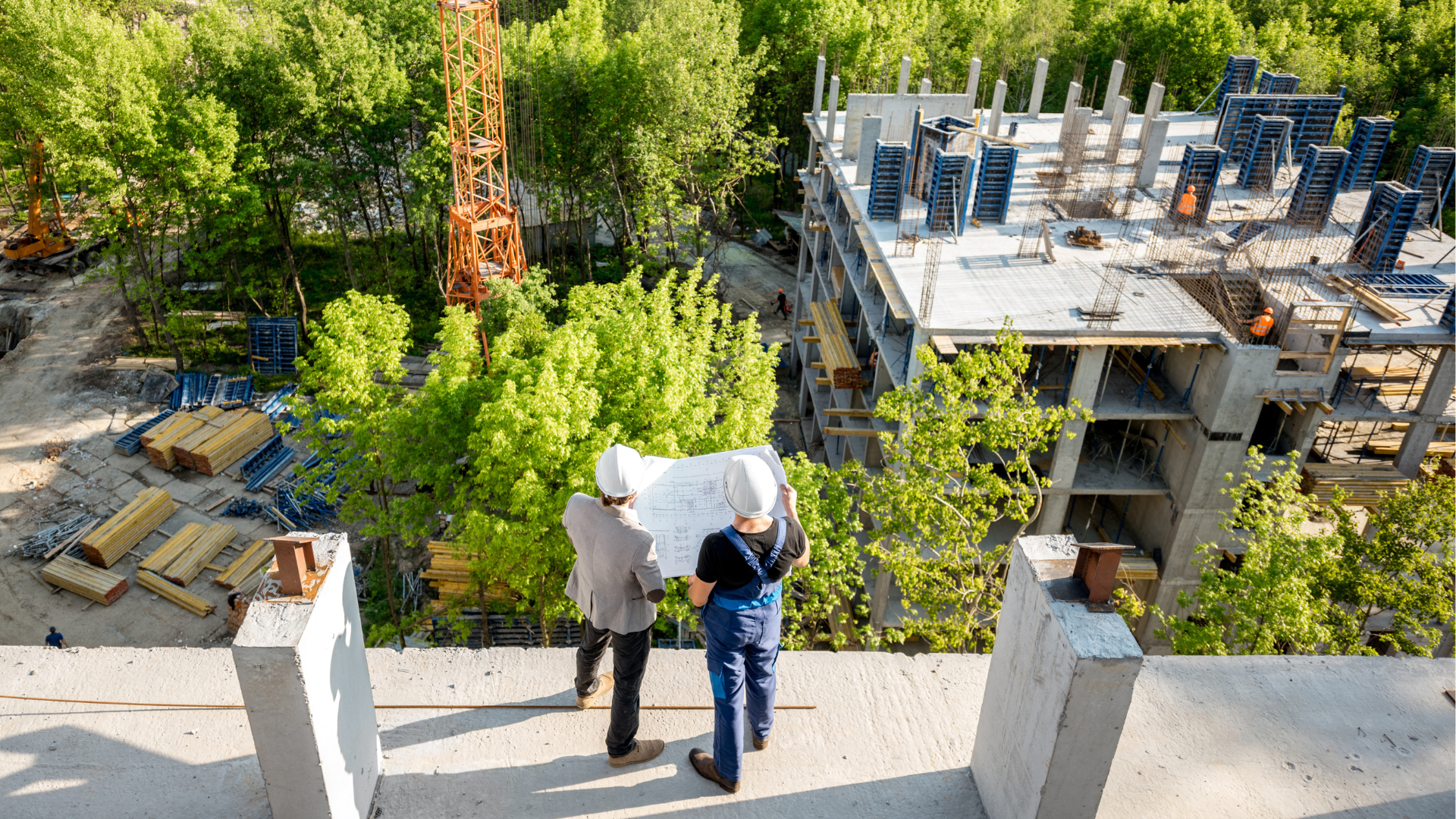

Securing the right financing is essential for the success of any land subdivision project. Construction loans play a pivotal role in funding these projects, enabling developers to cover the costs of infrastructure, land preparation, and building. At Development Finance Partners (DFP), we specialise in construction loans tailored for land subdivisions, helping developers navigate the complexities of financing multi-stage projects. This article explores the intricacies of construction loans for land subdivision projects and provides insights on how to optimise your financial strategy.
Understanding Construction Loans for Land Subdivisions;
What Are Construction Loans?
Construction loans are specialised short-term loans designed to cover the costs associated with building projects. These loans differ from traditional mortgages as they are typically disbursed in phases, aligning with the progress of the construction work. This makes them ideal for funding land subdivision projects, which often involve multiple stages of development.
The Unique Nature of Land Subdivision Construction Loans
Land subdivision construction loans are a subset of construction loans tailored specifically for the development of residential land. These loans require careful planning and structuring due to the following factors:
- Multi-Stage Development: Land subdivision projects often involve several stages, from initial land acquisition and infrastructure development to the final construction of housing units. Each stage may require separate financing arrangements.
- Valuation Challenges: The valuation process for land subdivisions is more complex than for single-stage developments, considering both current land values and projected future values upon completion.
- Cash Flow Management: Effective cash flow management is crucial, as revenue generated from initial stages may need to finance subsequent stages. Construction loans must be structured to accommodate these needs.
Key Insights from DFP’s Whitepaper on Land Subdivision Construction Loans;
Optimising Financial Structures for Success
Our latest whitepaper outlines essential strategies for developers seeking construction loans for land subdivisions. Key insights include:
- Utilising Soft Equity: Achieving development approvals (DA) and building approvals (BA) can significantly increase land value, creating "soft equity." This can reduce the initial equity required from the developer, optimising the use of construction loans.
- Recycled Construction Loans: For multi-stage projects, recycled construction loans allow developers to reuse funds from earlier stages for later ones, improving cash flow and reducing the need for additional borrowing.
- Presales and Financing: While presales can provide financial security, they are not always feasible or desirable. DFP’s expertise in structuring construction loans allows developers to proceed without the need for presales, mitigating risk and maintaining project flexibility.
- Strategic Loan Structuring: Proper structuring of land subdivision construction loans can minimise cash equity requirements, lower the overall cost of capital, and enhance project profitability. This includes leveraging various loan types, such as senior debt, mezzanine finance, and site acquisition loans.
Related Developer Insights and Subdivision Funding Case Studies
DFP has structured subdivision construction funding across a range of projects involving no presales, land bank transitions, and higher-leverage delivery strategies. Explore the case studies below to see how funding structures influence leverage, liquidity, and project outcomes.
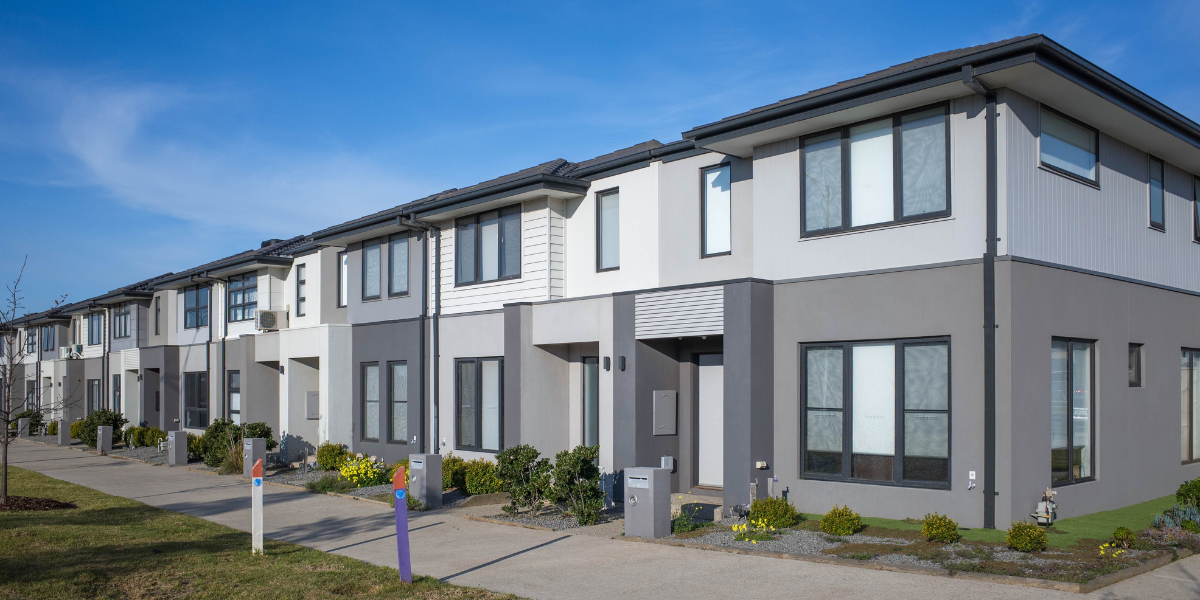
Case Study 1: Subdivision construction funding with no presales
How structured finance supported subdivision delivery without presale requirements.
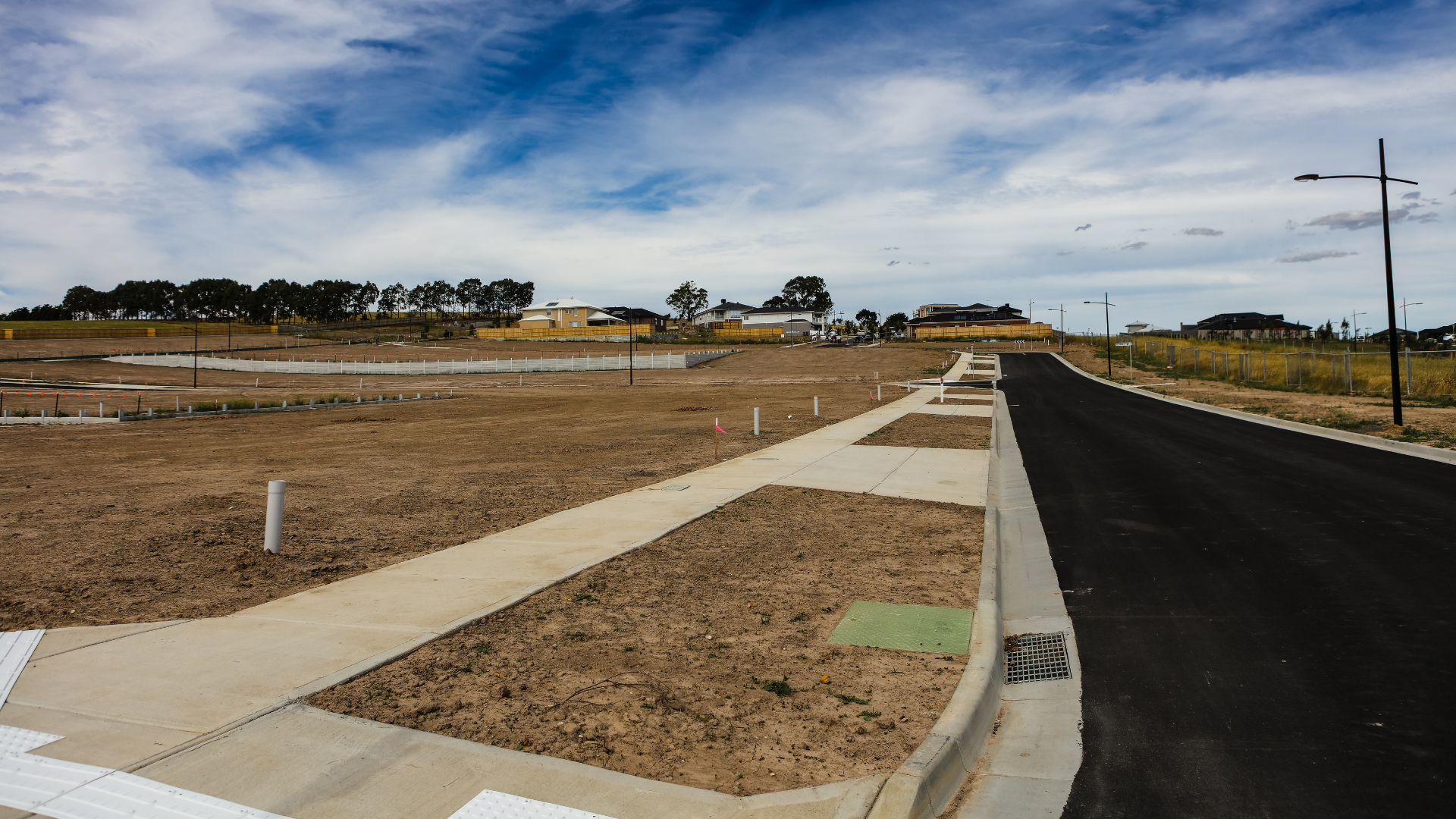
Case Study 2: See how lender alignment and funding structure improved project scalability.
See how lender alignment and funding structure improved project scalability.
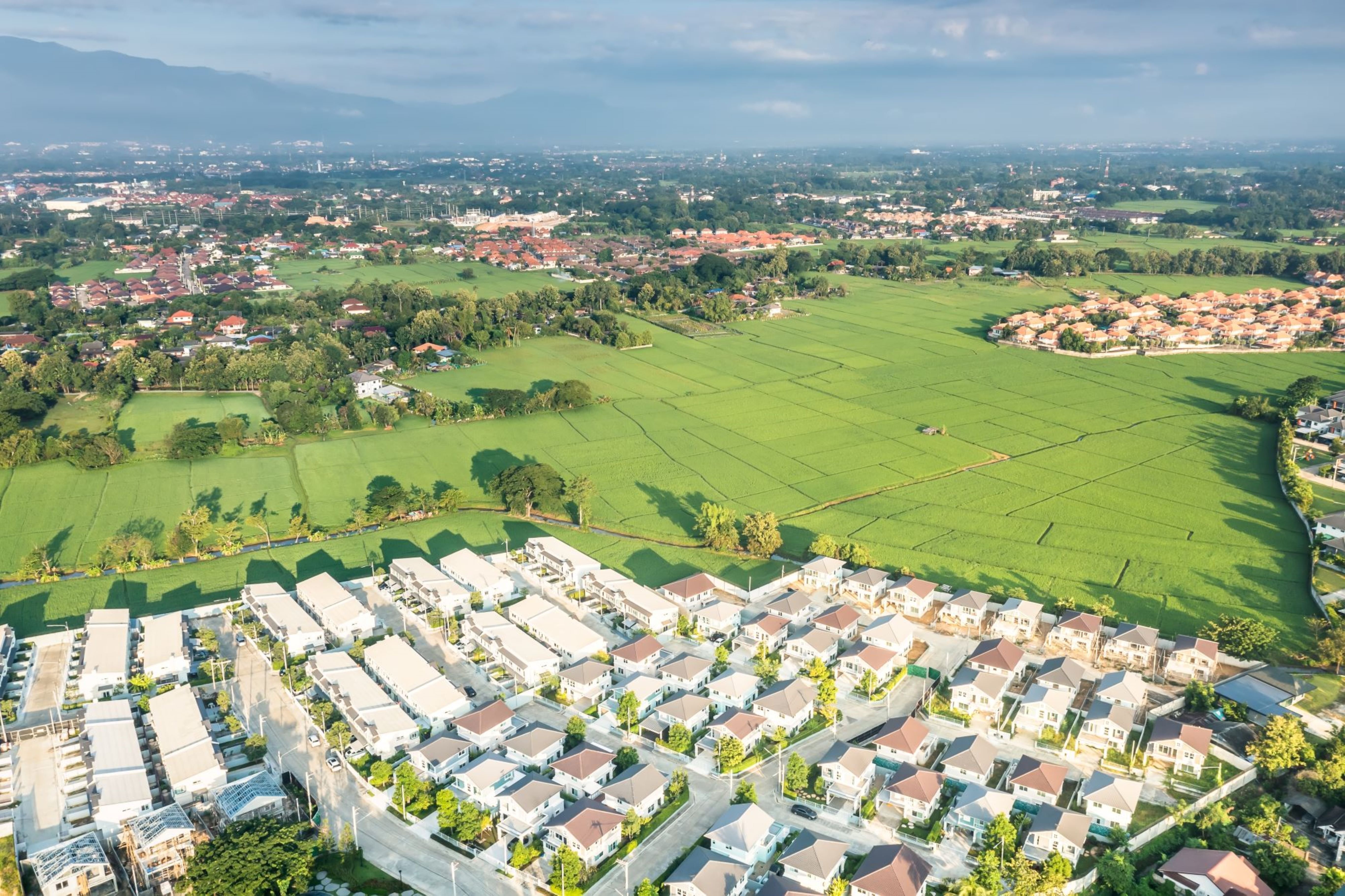
Case Study 3: How structured finance supported subdivision delivery without presale requirements.
Explore how funding was structured between site acquisition and construction readiness.
How DFP Can Assist with Construction Loans for Land Subdivisions Expert Financial Advisory Services
At Development Finance Partners, we offer comprehensive support for securing construction loans tailored to the specific needs of land subdivision projects. Our services include:
- Project Evaluation: Assessing feasibility, market conditions, and financial requirements to identify the most suitable construction loan structures.
- Customised Loan Solutions: Developing financing strategies that optimise the use of construction loans, including the integration of soft equity, recycled loans, and strategic loan structuring.
- Ongoing Advisory Support: Managing relationships with lenders, conducting thorough due diligence, and providing continuous advisory services throughout the project lifecycle.
What This Means for Developers
- Subdivision construction finance requires alignment between civil works, timing, and lender expectations
- Funding structure directly impacts liquidity, leverage, and delivery flexibility
- Presales are not always required when projects are positioned correctly
- Early coordination of valuations, QS reports, and lender requirements improves approval efficiency
- Structured funding reduces delays and supports smoother project delivery

-2.png)